The Origin of Sugar Skulls
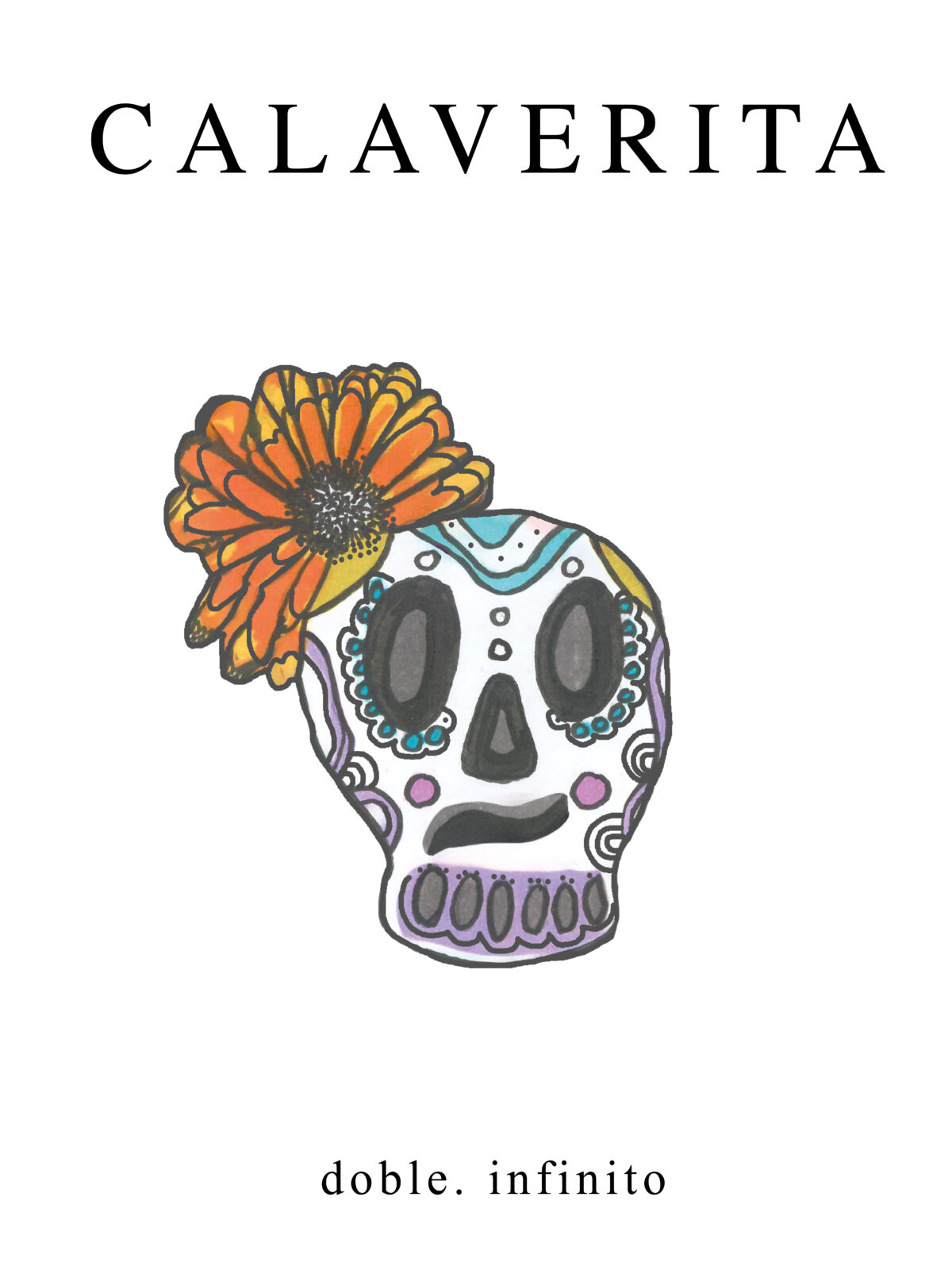
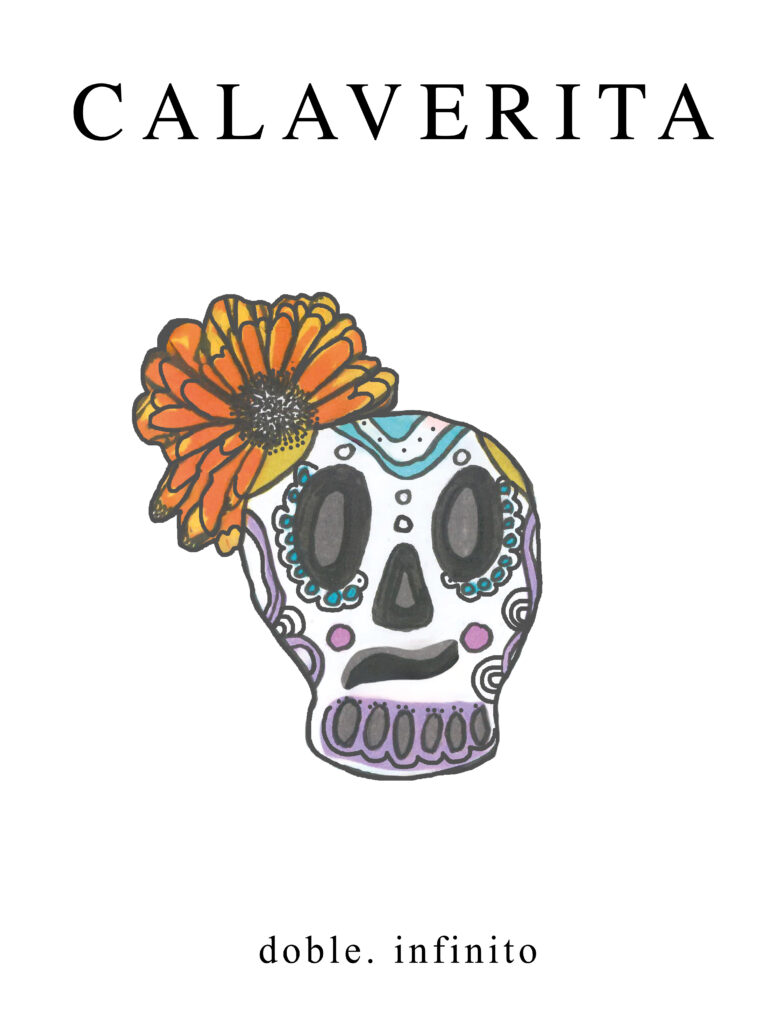
The famous sugar skulls (calaveritas de azúcar) are one of the most iconic symbols of this tradition. Their origin comes from the Spanish colonial period in the 17th century, when Catholic friars introduced the art of molding sugar into figures for religious festivals. Mexico, with an abundance of sugar production, adopted this technique and gave it a unique cultural meaning.
Sugar skulls are often decorated with bright colors, foil, and icing. Traditionally, they carry the name of a living person written on the forehead — a playful reminder of the cycle of life and death, showing that death is not something to fear, but a natural part of existence.